New garage door installation and replacement in Franklin, Tennessee
Before you call about a new door, check whether anyone must approve it, take a few measurements and decide on the look. Here is what matters.
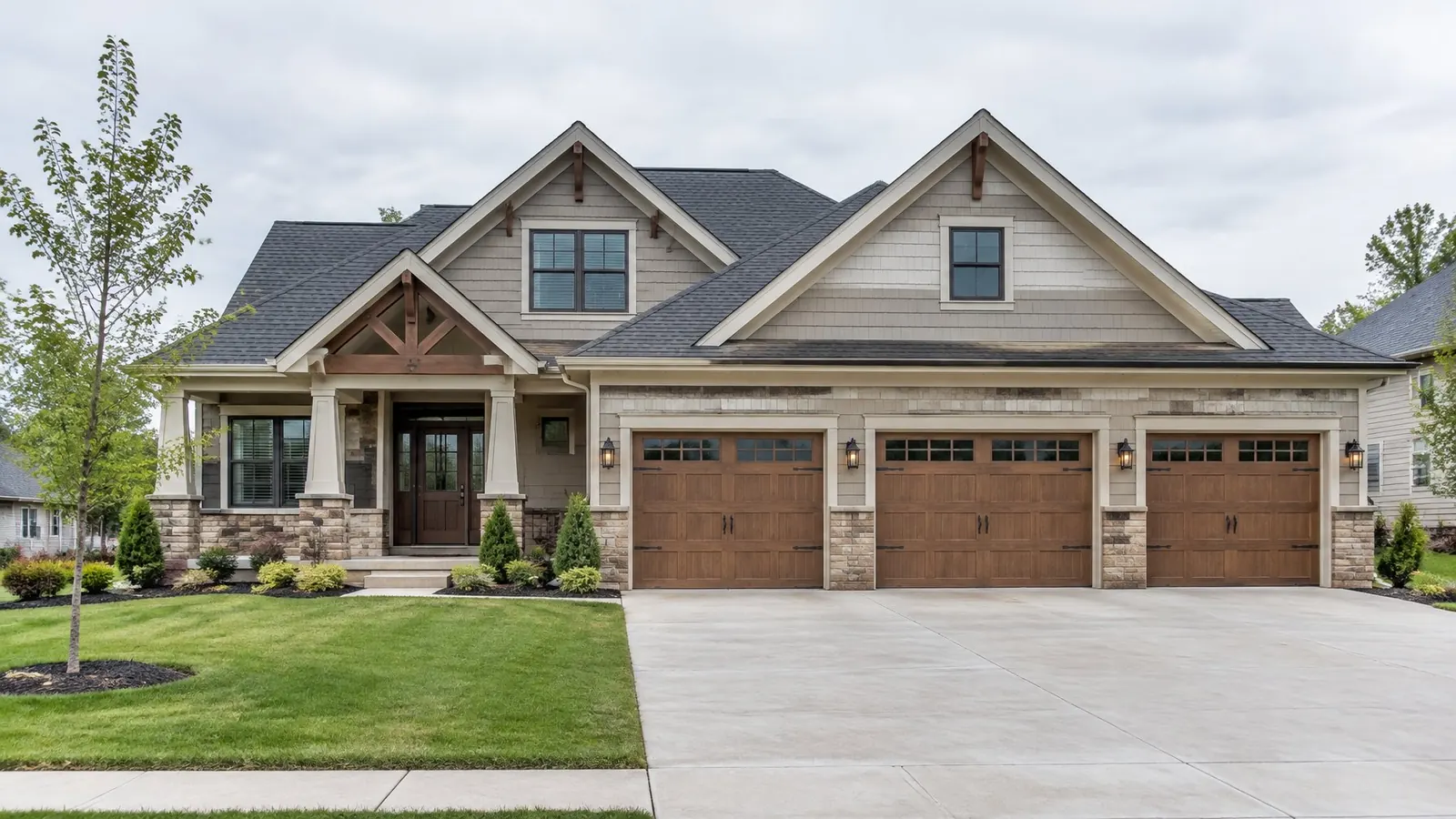
Check for approvals first
Inside Franklin's historic preservation overlay, the zoning ordinance requires a certificate of appropriateness before a building permit is issued and for exterior work under the city's design guidelines. Staff can approve some minor changes, and others go to the Historic Zoning Commission. Ask the Department of Planning and Sustainability before you order a door.
Elsewhere, a homeowners association may set rules on color and style. Whether the job needs a building permit depends on the city, so ask the local codes office. If one is needed, the contractor should get it.
When replacing makes sense
Replace the door when panels are cracked or rotted, sections have buckled or it has left its track more than once. If the door is sound and one part has failed, a repair is usually enough.
What gets measured
A door is sold to fit an opening. Take these yourself if you like, but have the contractor confirm each one on site.
- Width and height of the opening, at several points. Older frames are rarely square.
- Headroom above the opening, which decides which track layout fits.
- Side room for the vertical track on each side.
- Depth from the opening back into the garage, which limits how far the door can travel.
- The framing. Rot at the bottom of a jamb has to be dealt with before a new door goes in.
Materials and styles
Steel is a common choice, and some steel doors have an insulating core. Wood suits a period house but needs regular finishing. Composite and wood-look steel imitate the grain with less upkeep. Aluminum and glass doors let light in and show what is inside.
Panel style is a separate choice from material, so pick the look first and then ask which materials come in it.
Insulation is worth asking about if the garage is attached to living space or sits under a bedroom. Ask how the door seals along the bottom and sides.
Your opener and springs
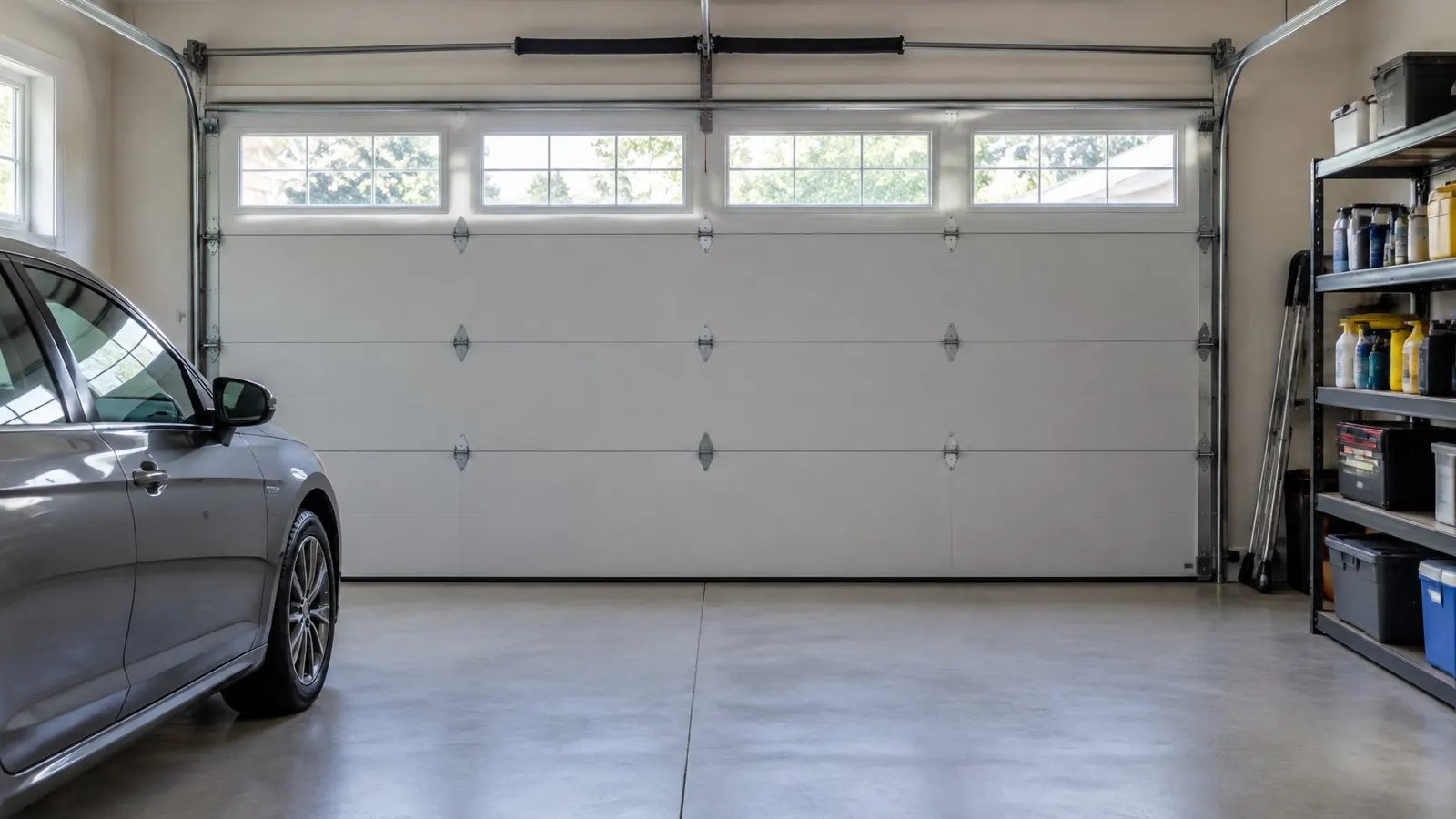
Springs have to match the new door's weight, so ask the contractor to confirm that, and to confirm your opener can lift it. If your opener predates 1993, it may not reverse on contact the way newer ones must. Ask about replacing it at the same time.
What the job looks like
Before the day
The contractor confirms the measurements, door model and springs. Move vehicles and clear the space around the door.
Removal
The installer releases the spring tension and takes the old door out in sections. Ask who disposes of it.
Installation
Tracks, panels, springs and cables go in, and the opener is reattached or replaced.
Testing
Disconnected from the opener, the door should move smoothly by hand and stay put at about waist height. The reversal and sensors are then tested.
Paperwork
Keep the written scope, the parts list and the warranty terms.
What drives the cost
Size, material, insulation, windows, panel style, removal of the old door, any carpentry on the opening and a new opener all change the total. If two proposals look far apart, compare what each includes.
Tennessee's consumer advice is never to pay cash and not to pay the full amount before the work is done. The hiring guide has the other checks.
Ready to talk to a contractor?
Call this number and say what the door is doing. The contractor who answers is independent of this site.