Garage door opener repair in Franklin, Tennessee
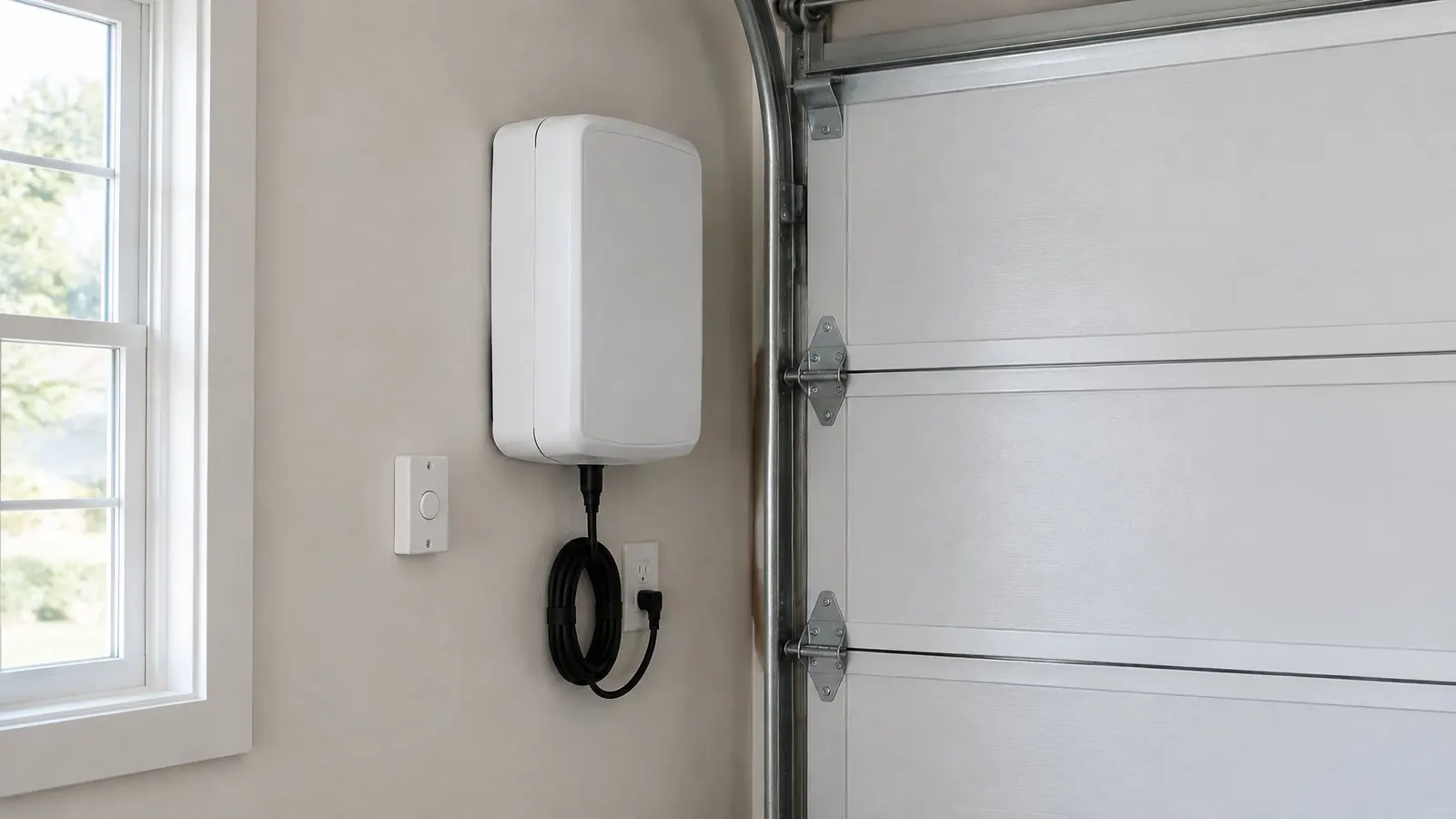
With the door closed and nobody under it, press the wall button once. What the opener does next points to the fault.
What it does, and what that usually means
- Nothing at all, no light or sound: check the plug and whether the outlet has power. A tripped outlet is more common than a dead motor.
- A hum or click, but the door stays put: the motor is trying. A broken spring may have made the door too heavy.
- The motor runs and the door does not move: the drive has slipped or the door has been disconnected from the opener.
- The door moves a short way, then stops or reverses: a travel limit, an obstruction or the safety sensors.
- The wall button works and the remote does not: the remote, its battery or the receiver.
While you wait for a repair
Safe to do
- Check the power, the outlet and the wall button.
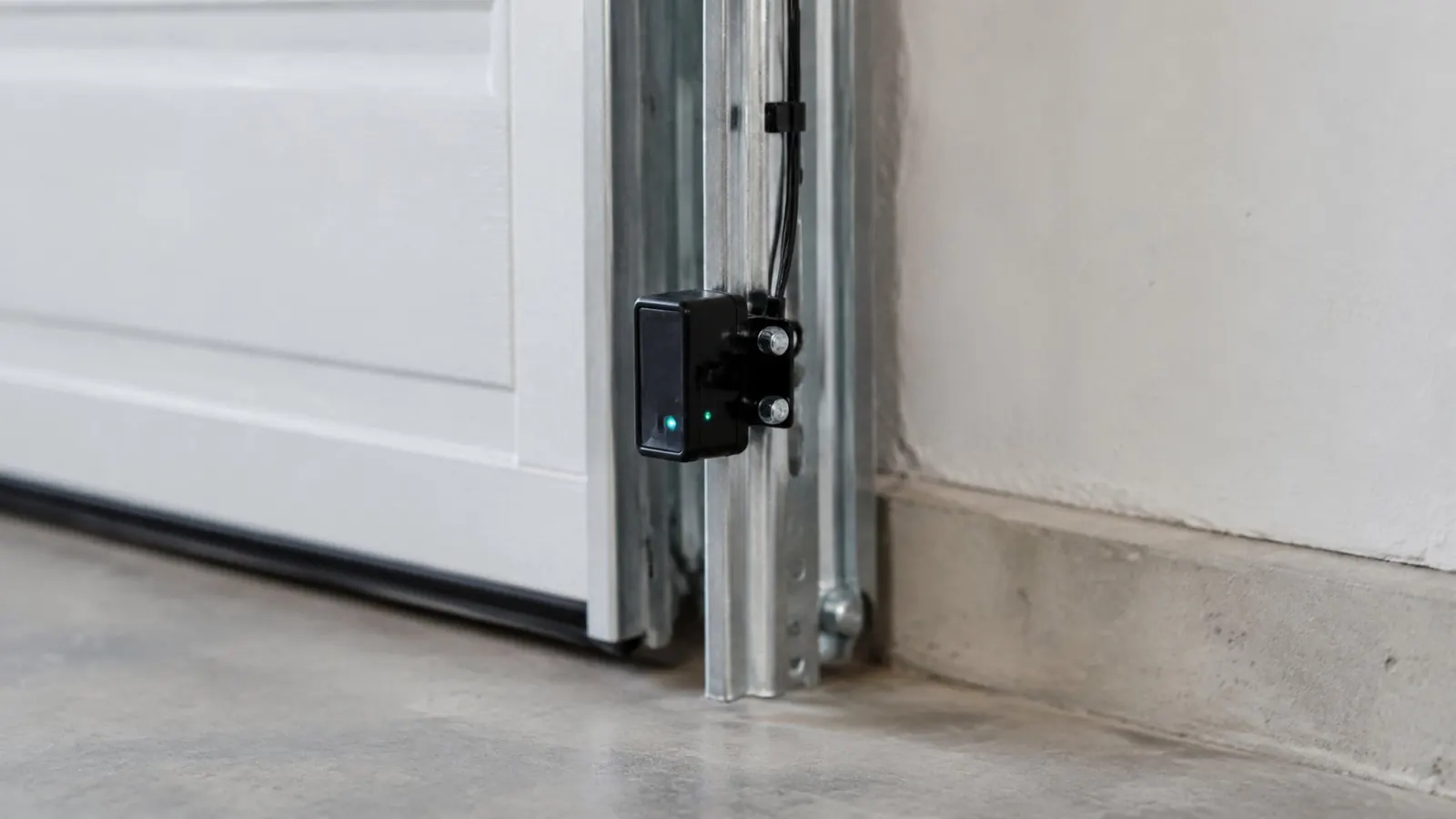
- Wipe the sensor lenses with a dry cloth and move anything stored in the beam.
- Replace the remote's battery, following its instructions.
- Note the opener's age, the door's size and what you heard.
Leave alone
- Springs, cables and anything on the door itself.
- Wiring inside the opener's housing while it is plugged in.
- Limit and force settings if the door has been reversing for no clear reason.
- Any sensor bypass.
After a repair, the safety features must work
An opener made since 1 January 1993 has to start reversing within 2 seconds of hitting an obstruction, and it needs a second protection such as the sensors near the floor. Say no to anyone who offers to bypass a sensor to make the door close.
Source: Federal safety standard for garage door openers, 16 CFR Part 1211.
Repair it or replace it
A replacement is worth discussing when the opener is very old, parts are hard to find or the repair would cost close to a new unit. Ask what the repair covers. If you do replace it, see opener installation.
Ready to talk to a contractor?
Call this number and say what the door is doing. The contractor who answers is independent of this site.